

Build Stronger Glutes with Overload
Are you ready to elevate your glute workouts and achieve transformative results? Understanding the principle of progressive overload could be the key to unlocking your strength potential!
What You Will Learn
- The concept of progressive overload, crucial for muscle growth and strength enhancement.
- Three key mechanisms of muscle growth: mechanical tension, metabolic stress, and muscle damage.
- Safe methods for increasing resistance, including gradual weight increments and maintaining proper form.
- The impact of workout frequency on muscle growth and strength, with recommendations for beginners and advanced practitioners.
- How to leverage tempo and time under tension to maximize glute activation during exercises.
- The importance of biomechanics and proper foot placement for effective glute workouts.
- Incorporation of compound movements to enhance overall strength and target multiple muscle groups.
- Strategies for creating a personalized glute training routine and monitoring progress effectively.
Understanding Glute Strengthening Through Progressive Overload
Progressive overload is key to glute strength. It's achieved by increasing resistance, frequency, or time under tension, alongside optimal biomechanics and compound movements. Let's explore these methods.
Progressive Overload Methods
- Increase weights gradually
- Adjust repetitions
- Change workout intensity
- Vary tempo and time under tension
Muscle Growth Mechanisms
- Mechanical Tension: Muscle load stimulates growth
- Metabolic Stress: High-rep exercises build metabolites
- Muscle Damage: Micro-tears repair and strengthen
Optimizing Glute Workouts
- Increase resistance safely (5-10% weekly)
- Adjust frequency (1-3 times per week)
- Focus on tempo and time under tension
- Incorporate compound movements (deadlifts, squats)
Tracking Your Progress
- Keep a detailed workout log
- Regularly take body measurements
- Listen to your body for recovery and strength gains
- Utilize fitness apps for accountability (MyFitnessPal, Strong)
Understanding Progressive Overload and Its Importance for Glute Strength
When it comes to enhancing your glute strength, understanding progressive overload is crucial. This concept refers to the gradual increase of stress placed on your muscles during workouts. By challenging your glutes consistently, you stimulate growth and improve strength. If you’re looking to transform your glute workouts, mastering progressive overload is a game-changer!
Progressive overload is not just for seasoned athletes; it’s essential for everyone, whether you are just starting your fitness journey or you’re a veteran in the gym. At Exercises for Butt, we believe in empowering individuals at all levels to achieve their fitness goals effectively and safely. So, let’s dive deeper into this fundamental concept!
What is Progressive Overload?
Progressive overload involves systematically increasing the demands on your musculoskeletal system to promote muscle growth and strength gains. It’s all about pushing your limits. For your glutes, this might mean increasing weights, adjusting reps, or altering the intensity of your workouts. The goal is to continually challenge your muscles to adapt and grow stronger over time!
- Increase weights gradually.
- Adjust the number of repetitions.
- Change the intensity of your workouts.
These small adjustments can lead to significant improvements in strength and muscle tone. Remember, every little step counts as we work towards building those strong, toned glutes!
The Science Behind Muscle Growth
To truly understand the importance of progressive overload, let’s explore the science behind muscle growth. There are three primary mechanisms that drive this process: mechanical tension, metabolic stress, and muscle damage.
- Mechanical Tension: This occurs when your muscles are under load, which stimulates growth. Research from the Frontiers in Physiology Journal discusses how mechanical tension is a primary driver of muscle hypertrophy.
- Metabolic Stress: When you perform high-rep, intense exercises, your body builds up metabolites that promote muscle growth.
- Muscle Damage: Effective workouts cause micro-tears in muscle fibers, which then repair and grow stronger during recovery. A study published by the National Institutes of Health further highlights the role of muscle damage in muscle hypertrophy.
Understanding these mechanisms can help you tailor your workouts to maximize growth. Whether you’re doing strength training or home workouts, incorporating these principles into your glute training can lead to impressive results!
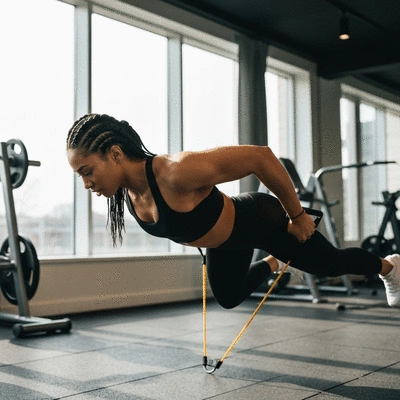
Effective Methods to Progressively Overload Your Glute Workouts
Increasing Resistance Safely Over Time
One of the most straightforward methods to apply progressive overload is by increasing resistance over time. This means gradually adding weight to your exercises, but it's essential to do this safely to avoid injury. Start with smaller increments, and make sure your form remains correct as you lift heavier. According to the National Strength and Conditioning Association (NSCA), proper program design is crucial for optimal strength and hypertrophy of the gluteal muscles.
- Begin with weights that challenge you but allow you to maintain form.
- Increase the weight by 5-10% each week.
- Monitor your body’s signals and take breaks when needed.
By focusing on gradual weight increases, you’ll build strength while minimizing the risk of injury. Remember, the journey to stronger glutes is a marathon, not a sprint!
Exploring Frequency-Based Overload
Another effective way to incorporate progressive overload is through frequency-based training. This involves adjusting how often you work out your glutes. Training your glutes 3 times a week can yield different results compared to 1-2 times a week.
- For beginners, starting with 1-2 times per week can help build a solid foundation.
- As you progress, increasing to 3 times a week can enhance muscle growth and strength.
- Listen to your body; ensure you allow for recovery days to prevent overtraining.
Finding the right frequency is key to your glute training success. Experiment with different schedules to see what works best for you!
Leveraging Tempo and Time Under Tension
Adjusting your tempo during exercises can also enhance your glute training. By slowing down the eccentric (lowering) phase of movements or holding positions for a few extra seconds, you can increase the time under tension, which is vital for muscle growth.
- Try lowering your body for a count of three during squats.
- Pause at the bottom of a glute bridge for a few seconds before lifting.
- Incorporate explosive movements to mix it up!
These tempo variations create a greater challenge for your muscles, leading to improved strength and tone over time!
Biomechanics and Foot Placement Tips
Optimizing your foot placement and biomechanics during exercises is crucial for maximizing glute activation. Proper alignment can enhance the effectiveness of your workouts and prevent injuries.
- For squats, ensure your feet are shoulder-width apart and toes slightly pointed out.
- During hip thrusts, place your feet flat on the ground, hip-width apart.
- Adjust your stance as needed to ensure you’re feeling the burn in your glutes!
By focusing on your biomechanics, you can effectively target your glutes and make the most out of every workout!
Incorporating Compound Movements for Enhanced Strength Gains
Lastly, incorporating compound movements like deadlifts and barbell squats into your routine is essential for building overall glute strength. These exercises engage multiple muscle groups, providing a comprehensive workout that promotes muscle growth.
- Deadlifts target the entire posterior chain, including glutes.
- Barbell squats enhance lower body strength and stability.
- Combine these with isolation exercises for a balanced approach!
At Exercises for Butt, we emphasize the importance of compound movements in our training programs. By integrating these exercises into your routine, you’ll see improved results in your glute development!
We Want to Hear From You!
How do you currently challenge yourself during your glute workouts? Share your methods or any tips you’ve found effective in progressively overloading your routine:
Frequently Asked Questions About Glute Strengthening and Progressive Overload
- What is progressive overload?
- Progressive overload is the gradual increase of stress placed on your muscles during workouts to stimulate growth and improve strength. This can involve increasing weights, reps, or workout intensity.
- What are the three main mechanisms of muscle growth?
- The three primary mechanisms are mechanical tension (muscle load), metabolic stress (metabolite buildup from high-rep exercises), and muscle damage (micro-tears that repair and strengthen).
- How often should I train my glutes for optimal growth?
- For beginners, 1-2 times per week is a good starting point. As you progress, increasing to 3 times a week can enhance muscle growth and strength, provided you allow for adequate recovery.
- How can I safely increase resistance in my glute workouts?
- Increase the weight by 5-10% each week, ensuring you maintain proper form. Listen to your body and take breaks when needed to prevent injury.
- Why are compound movements important for glute strength?
- Compound movements like deadlifts and barbell squats engage multiple muscle groups, including the glutes, providing a comprehensive workout that promotes overall strength and muscle growth.
Implementing Your Progressive Overload Plan
Now that you understand the foundations of progressive overload and its significance for building strong glutes, it's time to put that knowledge into action! Creating a personalized glute training routine is essential for achieving your specific fitness goals. Let’s break down how to make a plan that works for you.
Creating a Personalized Glute Training Routine
Start by considering your current fitness level, available equipment, and specific targets. Here’s a simple framework to help you build your routine:
- Set Clear Goals: Do you want to build strength, increase endurance, or enhance muscle size? Your goals will guide your training.
- Choose Your Exercises: Select a mix of compound and isolation exercises that target your glutes. Think squats, hip thrusts, and lunges!
- Determine Frequency: Plan to work your glutes 2-3 times a week. This frequency allows for recovery while ensuring adequate stimulus.
- Plan Progression: Decide how you will progressively overload each week—whether it's by increasing weights, adding reps, or changing tempo.
By following this structure, you'll be on your way to developing a solid routine that aligns with your personal fitness journey. Remember, it’s all about creating a plan that feels right for you!

Importance of Monitoring Progress
Tracking your progress is crucial in ensuring you’re on the right path. It's not just about lifting heavier weights; it’s about understanding your body’s response to the training. Here’s how to effectively monitor your progress:
- Keep a Workout Log: Document your exercises, weights, sets, and reps. This will help you see patterns and areas needing adjustments.
- Take Measurements: Regularly measure your glutes, thighs, and overall body for tangible results beyond weight.
- Listen to Your Body: Pay attention to how you feel. Are you recovering well? Feeling stronger? Adjust your routine based on your experiences.
With these strategies, you’ll be able to make necessary adjustments and stay aligned with your goals. This journey is all about adapting and improving!
Utilizing Fitness Tracking Tools for Enhanced Accountability
Keeping track of your progress can be made easier with the help of various fitness apps and tools. Here are some that I've found effective:
- MyFitnessPal: Great for logging workouts and meals, helping you stay accountable in all aspects of your fitness.
- Strong: Perfect for tracking your weightlifting progress, offering detailed logs of sets, reps, and weights.
- Fitbod: This app generates personalized workouts based on your available equipment and fitness goals!
Using these tools not only helps in tracking your workouts but also fosters a sense of accountability. You’ll be motivated to stick to your goals and see the progress you’re making!
Final Thoughts on Gaining Strength Safely
Encouragement to Stay Committed
As you embark on this journey, remember that consistency is key! It’s completely normal to face challenges along the way, but the important part is to stay committed. By applying the principles of progressive overload and listening to your body, you’ll achieve the strong, toned glutes you’ve always wanted.
Call to Action: Join the Community
Want to share your experiences or seek advice? Join our Exercises for Butt community! Engage with others, access additional resources, and let’s inspire each other on this fitness journey. Together, we can all make significant strides towards our goals. Don’t hesitate to share your progress in the comments below!
Recap of Key Points
Here is a quick recap of the important points discussed in the article:
- Progressive overload involves gradually increasing weights, reps, or intensity to stimulate muscle growth.
- Key mechanisms of muscle growth include mechanical tension, metabolic stress, and muscle damage.
- Methods for progressive overload include increasing resistance, adjusting workout frequency, and leveraging tempo variations.
- Monitor your progress by keeping a workout log, taking measurements, and listening to your body's feedback.
- Incorporate both compound and isolation exercises for a balanced glute training routine.



Buying Guide for Glute Fitness Gear
Understanding Glute Activation Science
Glute Training Frequency and Tips
Fix Common Glute Training Mistakes
Selecting Glute Activation Exercises Wisely