
Mistake: Focusing on Wrong Exercise Types
Many focus too much on hip abduction (outer glutes) or hip extension (overall strength) exclusively.
Solution: Balance both for comprehensive development.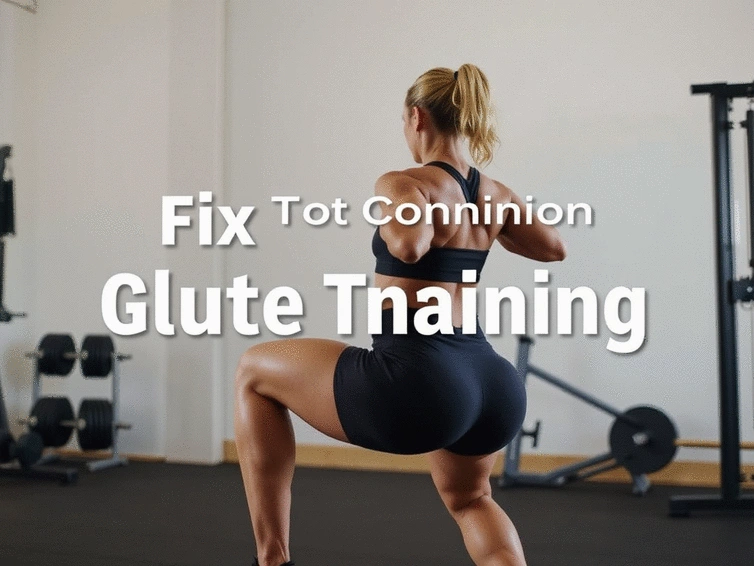
Did you know that strong glutes not only enhance your appearance but also improve your athletic performance? Let’s explore the essential lessons in glute training that can transform your fitness routine!
Understanding common errors in glute training and how to address them for optimal results.
Many focus too much on hip abduction (outer glutes) or hip extension (overall strength) exclusively.
Solution: Balance both for comprehensive development.Not performing glute bridges or clamshells before main lifts leads to quad dominance.
Solution: Integrate activation drills into your warm-up for better muscle firing.Going through the motions without consciously engaging the glutes reduces effectiveness.
Solution: Focus on feeling the glutes work during each rep, use mirrors or video.When it comes to fitness, many people focus on their arms, abs, or legs, often forgetting the importance of strong glutes. Glute training is essential not just for aesthetics but for overall fitness as well. Strong glutes contribute significantly to athletic performance, help maintain proper posture, and play a crucial role in injury prevention. Let’s delve into why prioritizing glute development matters!
Having strong glutes can improve your performance in various activities, from running and jumping to lifting weights. They stabilize your hips and pelvis, which enhances your balance and coordination. Moreover, strong glutes help prevent injuries, especially in the lower back and knees, by distributing forces more evenly during movement.
When your glutes are strong, you’ll find that your overall fitness journey becomes smoother. Strong glutes support every movement and help you achieve your fitness goals more efficiently. Research from the National Center for Biotechnology Information (NCBI) highlights the significant impact of gluteal muscle strength on athletic performance and injury prevention.
Now that we understand the importance of glute training, it’s essential to recognize some common mistakes that many people make during their workouts. These errors can hinder progress and lead to frustration.
By identifying these common pitfalls, you can take actionable steps to improve your glute training. After all, understanding what not to do is just as vital as knowing the right exercises!
One of the most significant errors I see is the misunderstanding of exercise selection, particularly between hip abduction and hip extension exercises. Many people focus too much on the wrong types of movements, which can lead to ineffective workouts.
For optimal glute activation, it’s crucial to balance hip abduction exercises—like side leg lifts—with hip extension exercises—such as squats and deadlifts. Each serves a unique purpose in glute development. Here’s a quick breakdown:
Incorporating both types of exercises into your routine will ensure that you’re not missing out on any aspect of glute training. You’ll experience greater strength and muscular balance! For a detailed guide on effective glute exercises, refer to resources like ExRx.net's exercise directory.
Activation exercises—like glute bridges or clamshells—are essential for priming your muscles before heavier lifts. These drills ensure that your glutes are firing properly during your main workouts, preventing common mistakes like quad dominance.
Integrating activation drills into your warm-up can lead to significant improvements in your performance. You’ll not only lift more effectively but also reduce the risk of injury. Ready to activate those glutes? Let’s keep moving forward! For more insights into optimal glute development, the American Council on Exercise (ACE) provides valuable research-backed information on the best exercises for gluteus maximus development.
To enhance your glute training, consider incorporating resistance bands into your workouts. These bands not only provide constant tension throughout your exercises but also help improve your mind-muscle connection by keeping your glutes engaged. Try using them during squats, hip thrusts, or glute bridges for an added challenge!
A: Strong glutes enhance athletic performance (running, jumping, lifting), support proper posture by stabilizing hips and pelvis, and prevent injuries, especially in the lower back and knees, by distributing forces more evenly during movement.
A: Common mistakes include focusing too much on isolation exercises, neglecting proper form, not establishing a mind-muscle connection, and sticking to the same routine without variation.
A: Hip abduction exercises target the outer glutes for stabilization and shaping, while hip extension exercises focus on overall glute strength, power, and functionality. Balancing both ensures comprehensive glute development and muscular balance.
A: Glute activation drills (e.g., glute bridges, clamshells) prime your glutes to fire properly during heavier lifts. This prevents quad dominance, improves performance, and reduces the risk of injury.
A: Focus on consciously feeling your glutes work during each repetition. Using mirrors or video recordings to observe your form can also help reinforce this connection.
As we wrap up our discussion, it's vital to recognize the common mistakes that can hinder your glute training progress. Addressing these issues is essential for achieving your fitness goals and enhancing your overall strength. By focusing on proper exercise selection, form, and connection with your muscles, you can unlock your glutes' full potential!
Here’s a quick recap of the key points to remember:
Now that you’re aware of the common pitfalls, it’s time to take action! Here are some actionable steps you can implement right away to enhance your glute workouts:
By integrating these strategies, you can create a more effective and enjoyable workout routine that focuses on building strength in your glutes. Remember, every small change counts, and consistency is key!
At Exercises for Butt, we’re all about empowering you on your fitness journey! I invite you to join our vibrant community, where you can find valuable resources, share your progress, and connect with fellow fitness enthusiasts. Whether you’re looking for coaching options or simply want to engage in discussions about glute training, there’s a place for you here!
Don’t hesitate to reach out in the comments below, or explore our website for additional tips and workout plans tailored specifically for glute development. Together, let’s elevate your fitness journey and achieve those glute goals!
Here is a quick recap of the important points discussed in the article:
Buying Guide for Glute Fitness Gear
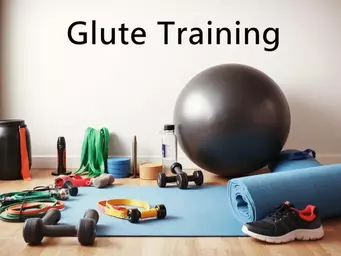
Have you ever wondered why the right fitness gear can transform your workout experience? The equipme
Understanding Glute Activation Science

Did you know that understanding how to activate your glutes can significantly enhance your overall f
Glute Training Frequency and Tips

Have you ever wondered what it takes to truly optimize your glute training? Consistency is key, but
Buying Guide for Glute Fitness Gear
Understanding Glute Activation Science
Glute Training Frequency and Tips
Fix Common Glute Training Mistakes
Selecting Glute Activation Exercises Wisely