
Why Focus on Glute Activation?
- • Improves Stability & Balance
- • Injury Prevention (Lower back & knees)
- • Enhances Functional Movements
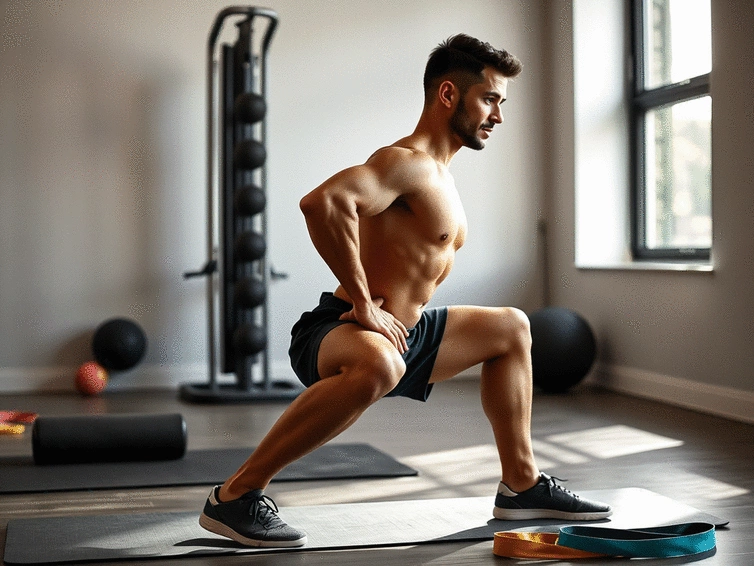
Are you ready to unlock the full potential of your workouts? Glute activation is crucial for enhancing stability, preventing injuries, and improving your performance. Let’s delve into the key insights you'll gain from focusing on this essential aspect of fitness!
This visual highlights the core reasons and scientific principles behind effective glute activation, focusing on key benefits, muscle groups, and optimization strategies.
Are you ready to unlock the full potential of your workouts? Understanding glute activation is crucial for enhancing overall stability, preventing injuries, and improving your daily functional movements. When your glutes are activated properly, they not only support your lower back but also play a vital role in many activities, from walking to lifting heavy objects. Let’s dive deeper into why focusing on these muscles is so important!
Incorporating glute activation exercises into your routine can lead to better performance in other workouts. Whether you're running, jumping, or lifting weights, strong glutes provide the necessary power and support. So, let’s take a closer look at the specific reasons to prioritize glute activation!
As someone who’s passionate about fitness, I can’t stress enough how important glute activation is for everyone, regardless of your fitness level. It’s a foundational aspect of any workout plan, and the benefits are simply too great to overlook!

Have you ever heard of gluteal amnesia? This term describes a common issue where the glute muscles essentially “forget” how to engage properly due to prolonged periods of inactivity or poor posture. It’s a real concern that can lead to imbalances and even chronic pain. Understanding this concept is essential for improving your physical health and performance.
Gluteal amnesia can occur due to several factors, including long hours of sitting, lack of targeted exercise, or even certain exercise habits that overlook glute activation. Recognizing the necessity of engaging these muscles can dramatically change your fitness journey. So, let’s explore how to counteract this issue!
We’ve established the importance of glute activation, but what does the science say? The next sections will focus on exercises backed by research, helping you understand which movements are most effective for activating your glutes. Ultimately, this knowledge can empower you to make informed choices in your workout routine!
Electromyography (EMG) studies have shown which exercises effectively engage the glutes. Some top exercises include: Squats, Hip Thrusts, Deadlifts, and Glute Bridges. Research further supports that these movements not only activate the glutes effectively but also enhance their strength over time. By incorporating these exercises into your routine, you can ensure that you’re targeting the right muscles for optimal results.
When we talk about glute activation, two key players come into play: the gluteus maximus and the gluteus medius. The gluteus maximus is the largest muscle in your body and is crucial for powerful movements like jumping and sprinting. Meanwhile, the gluteus medius is essential for stabilizing your pelvis during activities like walking or running.
Focusing on exercises that target both muscles will not only enhance your overall strength but also improve your aesthetic goals. Strong glutes contribute to a well-proportioned physique, which can boost your confidence significantly! For those looking to understand the interplay between glutes and other muscles, particularly hamstrings, the Brookbush Institute provides insights on optimizing glute engagement over hamstring dominance during exercises.
Optimizing muscle activation is pivotal for achieving your fitness goals. By incorporating glute activation exercises into your warm-up, you can prepare your body for more intense workouts. Aim to activate your glutes before any major lower body workout to ensure they are engaged throughout.
Remember, the key to effective workouts lies in mind-muscle connection. Pay attention to how your muscles feel during each exercise. This awareness can make a significant difference in your overall performance and results! For a deeper dive into the science of muscle activation and its impact on performance, Frontiers in Physiology offers extensive research on the topic.

How often do you incorporate glute activation exercises into your fitness routine? We’d love to hear from you!
Glute activation refers to the process of engaging and "waking up" your gluteal muscles before a workout or daily activities. It's important because it enhances stability, prevents injuries (especially in the lower back and knees), and improves overall functional movements.
Gluteal amnesia is a term describing when glute muscles "forget" how to properly engage due to prolonged inactivity or poor posture, often leading to muscle imbalances and chronic pain. Recognizing and addressing this is key to improving physical health.
Evidence-based exercises supported by EMG studies include squats, hip thrusts, deadlifts, and glute bridges. These movements effectively engage both the gluteus maximus and gluteus medius for optimal strength and stability.
You can optimize your workouts by incorporating glute activation exercises into your warm-up routine, ensuring your glutes are engaged before more intense lower body movements. Practicing the "mind-muscle connection" during exercises also significantly enhances muscle engagement and results.
The gluteus maximus is the largest glute muscle, vital for powerful movements like jumping and sprinting. The gluteus medius is crucial for stabilizing the pelvis during activities such as walking and running. Targeting both muscles ensures comprehensive strength and stability.
Choosing the right glute activation exercises is crucial for enhancing your fitness journey. Here are some key points that summarize the essential elements addressed throughout this article:
By keeping these takeaways in mind, you can make informed decisions that align with your personal fitness goals and enhance your overall strength training.
Are you ready to take the next steps in your glute training? Whether you're just starting out or looking to up your game, the key is to begin where you feel most comfortable. If you're a beginner, check out our accessible bodyweight exercises to ease into the routine.
For those looking to assess their current fitness level, consider taking my fitness level quiz for personalized guidance. This will help you identify the most suitable exercises and ensure you're on the right path toward achieving your fitness goals!
If you're ready to challenge yourself, don’t hesitate to incorporate advanced techniques, like hip thrusts or deadlifts, into your regimen. Remember, it's all about progress, not perfection! Let’s keep pushing forward together!
Buying Guide for Glute Fitness Gear

Have you ever wondered why the right fitness gear can transform your workout experience? The equipme
Understanding Glute Activation Science

Did you know that understanding how to activate your glutes can significantly enhance your overall f
Glute Training Frequency and Tips

Have you ever wondered what it takes to truly optimize your glute training? Consistency is key, but
Buying Guide for Glute Fitness Gear
Understanding Glute Activation Science
Glute Training Frequency and Tips
Fix Common Glute Training Mistakes
Selecting Glute Activation Exercises Wisely