
Role of Glute Muscles
- Provide pelvic stability
- Support the spine
- Maintain neutral spine position
Strong glutes reduce strain on lower back.
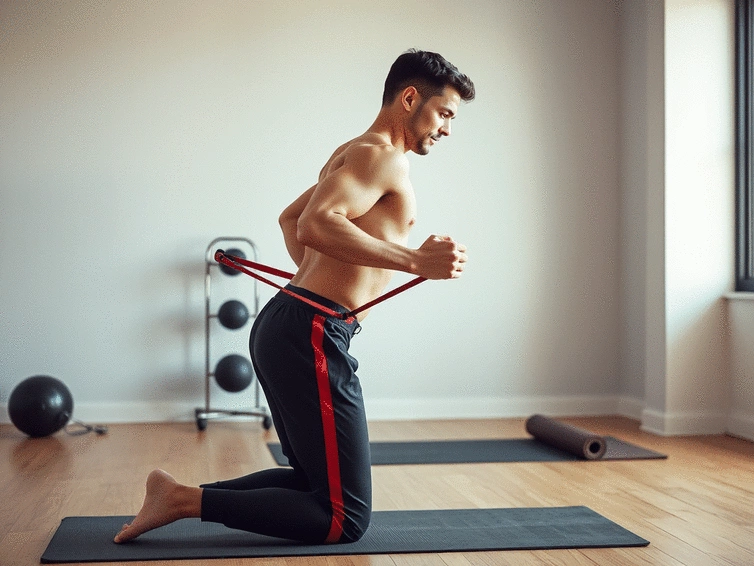
What if I told you that the key to alleviating lower back pain could be found in the strength of your glute muscles? Understanding this connection is vital for anyone looking to enhance their fitness and overall well-being.
Understanding the interplay between glute activation, core stability, and their direct impact on preventing lower back pain is crucial for overall well-being. This visual highlights key muscle roles, consequences of weakness, and professional insights.
Strong glutes reduce strain on lower back.
Sedentary lifestyles often lead to weak glutes.
Proactive step in managing back pain.
Consult physical therapists for tailored advice.
Complements glute activation for holistic health.
Crucial for long-term pain relief and results.
Have you ever thought about how your glute muscles play a crucial role in your overall posture and stability? Understanding the connection between glute activation and lower back pain can be a game changer in your fitness journey. At Exercises for Butt, we focus on empowering individuals like you to recognize this vital link and enhance your well-being.
Glute activation is essential for supporting pelvic stability. When your glutes are engaged, they help distribute force evenly throughout your body, which in turn reduces strain on your lower back. This means that strong glutes can lead to better posture and less discomfort. Research published in Frontiers in Human Neuroscience emphasizes how gluteal muscle activity plays a critical role in lumbar stability and overall movement patterns. Let’s look at some important functions of the glute muscles:
When your glutes are firing on all cylinders, they ensure that other muscles don’t have to compensate for weakness. This can significantly lower your chances of experiencing lower back pain!
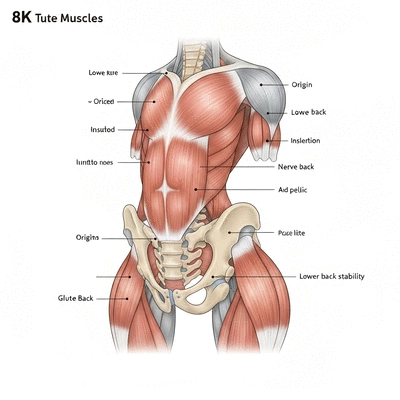
In today’s world, many of us lead sedentary lifestyles, which can result in weakened glute muscles. This weakness can lead to compensatory movements, where other muscle groups try to pick up the slack. Unfortunately, this often results in improper form and increased strain on the lower back. Here’s how you can identify some common compensatory movements:
By actively working to strengthen your glutes, you can minimize these compensatory patterns and maintain a healthier back.
Integrating muscle activation techniques into your routine can enhance your glute function significantly. This not only helps in strengthening the muscles but also plays a vital role in preventing lower back pain. Key techniques to consider include:
When you prioritize muscle activation, you’re taking a proactive step in managing and alleviating lower back pain effectively. Trust me, incorporating these techniques can make a world of difference in your fitness journey!
Now that we've established the connection between glute strength and lower back health, let’s dive into some effective glute activation exercises that you can easily incorporate into your routine. These exercises focus on engaging your glutes, enhancing stability, and preventing pain!
Here's a thought to consider: Did you know that studies have shown that individuals who consistently engage in glute activation exercises experience a 30% reduction in lower back pain over time? This highlights the importance of not just strengthening your glutes but actively engaging them in your fitness routine.
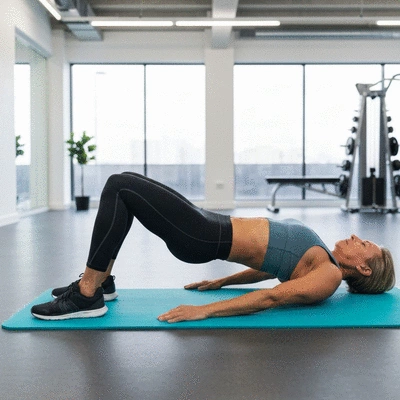
When it comes to preventing lower back pain, maintaining a consistent routine is key! Committing to a regular schedule for glute activation and strengthening exercises can make a world of difference. For instance, a study published in the Journal of Orthopaedic & Sports Physical Therapy highlights the importance of consistent exercise adherence for managing chronic lower back pain. Here are a few tips to help you establish an effective glute training routine:
By following these strategies, you'll find it easier to stay committed to your glute training journey. Remember, consistency is crucial in achieving long-term pain relief and overall health!
While self-guided glute training can be incredibly beneficial, there are times when you might need to seek professional guidance. If you experience persistent pain despite your efforts, it’s important to consult with a healthcare professional. A comprehensive review in PubMed suggests that individualized, supervised exercise programs can be highly effective for chronic low back pain, emphasizing the value of professional assessment. Here are some signs that it might be time to reach out:
Seeking help from professionals like physical therapists can provide tailored advice and support for overcoming lower back pain effectively. They can guide you through personalized strategies that enhance your glute strength and overall wellness.
In addition to strengthening your glutes, it's crucial to recognize the importance of core stability in preventing lower back pain. A strong core supports your spine and helps maintain proper posture. Here’s how enhancing your core stability can complement your glute activation efforts:
By integrating core stability exercises into your routine, you not only support your glute activation but also promote a healthier spine and overall body mechanics. This holistic approach is essential for long-term pain relief and improved fitness.
Here is a quick recap of the important points discussed in the article:
Buying Guide for Glute Fitness Gear
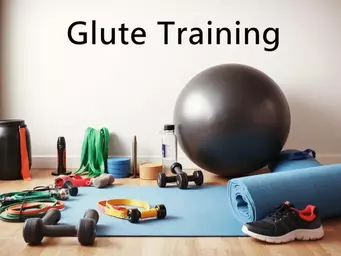
Have you ever wondered why the right fitness gear can transform your workout experience? The equipme
Understanding Glute Activation Science

Did you know that understanding how to activate your glutes can significantly enhance your overall f
Glute Training Frequency and Tips

Have you ever wondered what it takes to truly optimize your glute training? Consistency is key, but
Buying Guide for Glute Fitness Gear
Understanding Glute Activation Science
Glute Training Frequency and Tips
Fix Common Glute Training Mistakes
Selecting Glute Activation Exercises Wisely