
The Role of Glutes in Movement & Stability
- Power Generation (Jumping, Sprinting)
- Joint Stability (Hips, Knees)
- Postural Support (Lower Back)
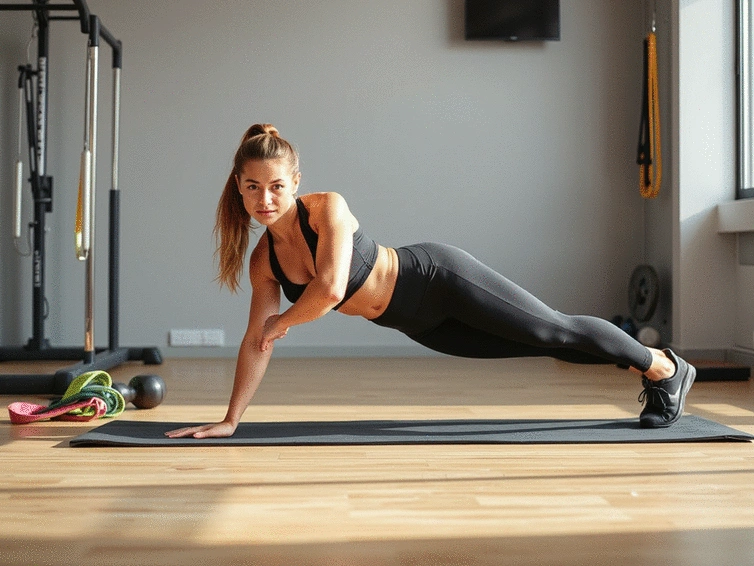
What if I told you that engaging your glutes can significantly enhance your athletic performance and prevent injuries? Discover how crucial these muscles are in your fitness journey.
This visual outlines the critical elements influencing glute activation, from self-assessment to actionable steps for improvement.
Engaging your glutes isn’t just about aesthetics; it’s crucial for overall movement and stability. The glute muscles play a significant role in your daily activities, from walking and running to lifting heavy weights. When these muscles are activated properly, they provide the strength and stability needed for efficient movement patterns.
At Exercises for Butt, I find it fascinating how the glutes are often overlooked despite their importance. Whether you’re a seasoned athlete or just starting your fitness journey, understanding how to activate these muscles can lead to better performance and reduced risk of injury. So, let’s explore why glute activation matters!
The glute muscles, particularly the gluteus maximus, medius, and minimus, are essential for maintaining proper posture and balance. They support your hips and lower back while stabilizing your pelvis during movement. Research has shown that gluteal muscles play a crucial role in preventing injuries and improving athletic performance, as detailed in this study on gluteal muscle activation. Here are a few key roles they play:
By ensuring your glutes are activated, you create a solid foundation for any workout routine. This foundational strength helps improve performance across various exercises and everyday activities!
Have you ever struggled with lower back pain after workouts? That could be a sign of poor glute activation! Other indicators include:
Recognizing these signs early can help you make necessary adjustments to your training routine. At Exercises for Butt, I always emphasize the importance of focusing on glute activation to enhance your workout experience and minimize discomfort.
The gluteus maximus is the largest muscle in the body and plays a pivotal role in overall fitness. Not only does it contribute to the strength of your lower body, but it also aids in various functional movements. A clinical trial on gluteal muscle strengthening further highlights its importance for functional improvements, as seen on ClinicalTrials.gov. Here’s why it’s vital:
By prioritizing glute training in your fitness routine, you can unlock your body’s full potential! At Exercises for Butt, I’m committed to helping you build that strength and confidence through effective glute workouts.
We’d love to know more about your experiences with glute activation! What challenges have you faced in engaging your glutes during workouts?
Understanding glute activation is essential for maximizing your workout efforts. As a fitness enthusiast and trainer, I often see individuals struggle with common mistakes that hinder their glute development. It's vital to recognize these pitfalls so you can adjust your approach and get the results you want!
Here are some key takeaways to keep in mind:
By being mindful of these aspects, you can enhance your glute training and overall performance. Remember, the goal is to strengthen your body and boost confidence!
Self-assessment is an effective way to understand your body and its unique needs. Take time to evaluate your current glute strength and activation levels. This might include testing your range of motion, alignment, and even how your body feels during various exercises.
Consider these self-assessment strategies:
Understanding your body's signals is the first step towards effective glute training. Together, we can make sure you're on the path to success!
Once you've assessed your body, it's time to adjust your training to find the right balance for your glutes. This means focusing on not only the number of repetitions but also the exercises that genuinely activate your glutes. It’s about quality over quantity!
Here’s how to strike that balance:
By adjusting your training approach, you’ll not only enhance your glute activation but also improve your overall workout efficiency!
Ready to take action? Begin with simple diagnostic tests to gauge your glute activation levels. Understanding where you stand will guide your training decisions moving forward.
Some quick tests to consider include:
These tests will help you identify weaknesses and guide your training adjustments. Let’s get stronger together!
Now that you've assessed your glute activation, it’s time to take actionable steps toward improvement. Here are some recommended next steps to help you on your journey:
Your journey to stronger glutes is just beginning! With each effort, you're building a stronger foundation that enhances your overall fitness.
Lastly, let’s talk about the importance of nutrition in your glute training program. Fueling your body with the right nutrients is crucial for muscle growth and recovery. For insights into the effects of nutrition on muscle growth and overall strength, consult this article on muscle strengthening.
Consider these nutrition tips to support your glute training:
By combining effective workouts with proper nutrition, you'll be well on your way to achieving those glute goals and boosting your confidence! Let’s make this journey a fun and rewarding one together!
Here is a quick recap of the important points discussed in the article:
Buying Guide for Glute Fitness Gear
Have you ever wondered why the right fitness gear can transform your workout experience? The equipme
Understanding Glute Activation Science

Did you know that understanding how to activate your glutes can significantly enhance your overall f
Glute Training Frequency and Tips

Have you ever wondered what it takes to truly optimize your glute training? Consistency is key, but
Buying Guide for Glute Fitness Gear
Understanding Glute Activation Science
Glute Training Frequency and Tips
Fix Common Glute Training Mistakes
Selecting Glute Activation Exercises Wisely