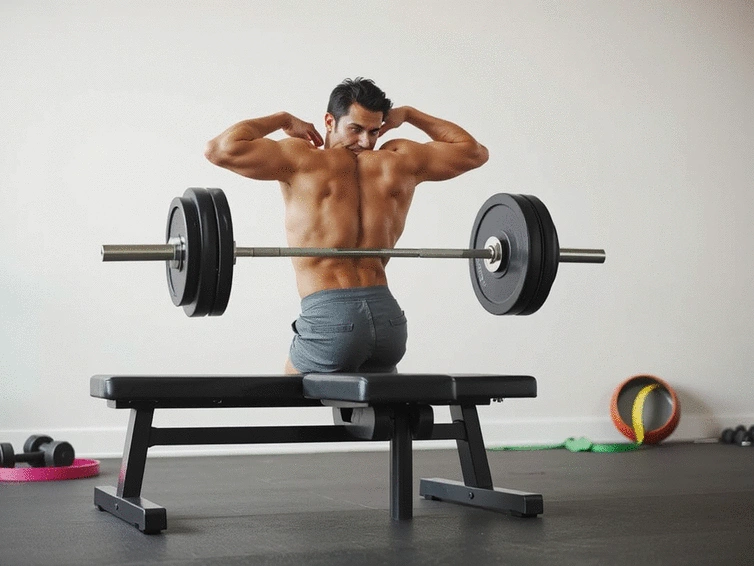
Curious about the secret to sculpting stronger glutes? The barbell hip thrust is your answer! This exercise not only targets your glutes but also enhances overall strength, making it a must-try for anyone serious about their fitness journey.
What You Will Learn
The barbell hip thrust isolates the glutes, allowing for focused muscle activation.
Incorporating hip thrusts can lead to increased overall strength and improved athletic performance.
Proper form is essential to avoid injury and maximize glute engagement during the exercise.
Tracking your progress through metrics like weight progression and repetition increments can enhance your strength journey.
Key Aspects of Barbell Hip Thrusts
This visual highlights the core reasons why barbell hip thrusts are essential for glute development and how they integrate into a comprehensive fitness routine.
Importance of Hip Thrusts
• Glute Isolation
• Increased Strength
• Enhanced Aesthetics
Biomechanics & Benefits
• Flexion & Extension
• Muscle Hypertrophy
• Enhanced Power
Safety & Injury Prevention
• Core Engagement
• Pre-hab Exercises
• Focus on Form
Tracking Progress
• Video/Mirror Analysis
• Weight Progression
• Mind-Muscle Connection
Understanding the Barbell Hip Thrust for Optimal Glute Gains
The barbell hip thrust is a game-changer for anyone serious about building stronger, more toned glutes. If you're looking to elevate your glute game, understanding why this exercise is essential is your first step! Trust me, as a fitness enthusiast and certified trainer, I've seen countless individuals transform their bodies through this powerful movement.
Not only does the hip thrust effectively target the glutes, but it also engages the hamstrings and core, making it a fantastic compound exercise. Research, such as that published in the Journal of Sports Science and Medicine, highlights the significant glute activation achieved during hip thrusts compared to other exercises. Whether you're just starting your fitness journey or you're a seasoned pro, mastering the barbell hip thrust will significantly enhance your lower body workouts.
Why Barbell Hip Thrusts Are Essential for Glute Development
Hip thrusts have quickly become a favorite in fitness circles, and for good reason! Here are a few reasons why incorporating them into your routine is vital:
Isolation of Glute Muscles: This exercise primarily targets the glutes, allowing for focused muscle activation.
Increased Strength: Regularly performing hip thrusts can lead to greater overall strength in your lower body.
Enhanced Aesthetics: Who doesn’t want a sculpted backside? This exercise is key for achieving that look.
Improved Athletic Performance: Stronger glutes contribute to better performance in a range of sports.
By focusing on glute-centric movements like the hip thrust, you're setting yourself up for success in both aesthetics and performance. It’s important to keep your goals in mind as you integrate this exercise into your weekly regimen!
Biomechanics of the Hip Thrust: How It Targets Your Glutes
Let's take a closer look at the biomechanics behind the hip thrust. When you perform this exercise, your body goes through a series of effective movements that emphasize glute activation:
Flexion and Extension: The hip joint undergoes flexion during the lowering phase and extension when lifting, targeting the glutes.
Stability: Engaging your core during the lift helps maintain stability throughout the movement.
Range of Motion: The hip thrust allows for a significant range of motion, which is crucial for muscle growth.
This combination of factors is what makes the hip thrust so effective for glute development. A study in Northern Michigan University's institutional repository further supports the biomechanical advantages of hip thrusts for gluteal engagement. By understanding the mechanics, you can better appreciate the importance of form and technique in maximizing benefits.
Exploring the Benefits of Hip Thrusts for Muscle Growth and Athletic Performance
Incorporating hip thrusts into your routine has numerous benefits that go beyond just looking good. Here are some key advantages:
Muscle Hypertrophy: Regularly challenging your glutes can lead to increased muscle size.
Injury Prevention: Strengthening your glutes can help stabilize your hips and lower back, reducing injury risk.
Enhanced Power: Strong glutes are essential for explosive movements, such as sprinting and jumping.
Remember, your glutes are not just a muscle group to tone; they're crucial for overall strength and functional movement. So, let’s embrace the barbell hip thrust and unlock your full potential!
Pro Tip
To maximize your results from barbell hip thrusts, consider incorporating resistance bands into your routine. Placing a band just above your knees during the exercise can enhance glute activation, ensuring you get the most out of each rep. This simple addition can lead to better muscle engagement and improved strength gains!
Ensuring Safety and Injury Prevention During Hip Thrusts
When it comes to hip thrusts, safety should always be your top priority! As a fitness enthusiast and certified trainer, I've seen firsthand how crucial proper form and precautions are to avoid injuries. Let's dive into essential tips that will help protect your lower back while you maximize your glute gains!
Essential Safety Tips to Protect Your Lower Back During Resistance Training
Maintaining a safe posture throughout your hip thrusts is vital for preventing injuries. Here are some key safety tips to keep in mind:
Engage Your Core: Always tighten your core muscles before initiating the movement. This helps stabilize your spine.
Keep Your Feet Flat: Ensure that your feet remain flat on the ground during the thrust to avoid unnecessary stress on your back.
Modify Weight Accordingly: Start with a lighter weight until you're comfortable with the movement. Gradually increase the weight as you progress.
Focus on Form: Always prioritize proper technique over lifting heavier weights. Quality over quantity is key!
By following these safety guidelines, you can enjoy your hip thrusts while minimizing the risk of injury. Remember, a safe workout leads to better results!
Pre-Hab Exercises and Mobility Exercises to Strengthen Supporting Muscles
Incorporating pre-hab and mobility exercises into your routine is a fantastic way to prepare your body for hip thrusts. These exercises not only strengthen your supporting muscles but also enhance your overall performance. Here are some effective exercises you can add to your regimen:
Glute Activation Drills: Perform exercises like clamshells and hip bridges to wake up those glute muscles before your main workout.
Dynamic Stretching: Incorporate leg swings and hip circles to improve your hip mobility and prepare your joints for movement.
Core Strengtheners: Engage in planks or dead bugs to fortify your core, providing the stability you need during hip thrusts.
Foam Rolling: Roll out any tight spots in your glutes, hamstrings, and lower back to enhance flexibility and reduce tension.
By weaving these pre-hab exercises into your routine, you’ll build a strong foundation and prepare your body to tackle hip thrusts safely and effectively!
Tracking Your Progress and Measuring Gains
Tracking progress is an essential part of your fitness journey! It helps you stay motivated and focused on your goals. Let’s explore how you can assess your glute activation and monitor your strength gains effectively.
How to Assess Glute Activation Effectively with Performance Tracking Techniques
Understanding how well your glutes are activating during hip thrusts can be a game changer. Here are some techniques to help you assess your performance:
Use a Mirror: Visual feedback can significantly help you maintain good form and ensure your glutes are doing the work.
Video Yourself: Recording your hip thrusts allows you to analyze your technique and make necessary adjustments.
Mind-Muscle Connection: Focus on feeling your glutes engage during each rep. This awareness can improve your activation levels.
Track Repetitions and Weight: Keep a workout journal to log your sets, reps, and weights. Observing your progress over time is truly motivating!
By implementing these assessment techniques, you'll be empowered to enhance your glute activation and improve overall effectiveness!
Using Performance Metrics to Monitor Your Strength Journey and Bodybuilding Progress
Monitoring your strength journey is a vital part of achieving your fitness goals! Here are some performance metrics you can track to gauge your progress:
Weight Progression: Regularly increase the weights you lift during hip thrusts to promote strength gains.
Repetition Increments: Track how many reps you can perform with a specific weight and aim to increase that number as you grow stronger.
Range of Motion: Measure how far you can lower your hips while maintaining proper form, as a greater range often indicates improved strength.
Recovery Times: Notice how quickly you recover after workouts. As your strength improves, your recovery may become faster!
With these metrics, you can keep a close eye on your progress and celebrate your achievements along the way! A detailed analysis of hip thrust mechanics and muscle activation can be found in a study published in PLOS One, providing further insight into how tracking these metrics contributes to effective bodybuilding progress. Remember, every small victory counts on your journey to stronger glutes!
Frequently Asked Questions About Barbell Hip Thrusts
Q1: What are the primary benefits of incorporating barbell hip thrusts into my routine?
A1: Barbell hip thrusts primarily isolate and strengthen the glute muscles, leading to increased lower body strength, enhanced aesthetics, and improved athletic performance in activities like sprinting and jumping.
Q2: How do hip thrusts target the glutes specifically?
A2: The exercise involves hip flexion during the lowering phase and powerful hip extension during the lift, directly engaging the gluteal muscles. The significant range of motion and the emphasis on the hip extension phase make it highly effective for glute development.
Q3: What are the key safety tips to prevent lower back injury during hip thrusts?
A3: To prevent injury, always engage your core, keep your feet flat on the ground, start with a lighter weight, and prioritize proper form over lifting heavy. Pre-hab exercises like glute activation drills and core strengtheners can also help.
Q4: How can I effectively track my progress with barbell hip thrusts?
A4: You can track progress by using a mirror or video recording to assess form, focusing on the mind-muscle connection, keeping a workout journal to log repetitions and weight progression, and observing improvements in your range of motion and recovery times.
Q5: Are there any specific exercises I should do before hip thrusts to improve performance and safety?
A5: Yes, incorporating pre-hab and mobility exercises like clamshells, hip bridges, dynamic stretches (leg swings, hip circles), and core strengtheners (planks, dead bugs) can prepare your body, activate glutes, and enhance overall performance and safety.
Conclusion and Next Steps for Your Glute Training
As we wrap up this section, you now have a solid understanding of how to ensure safety during hip thrusts and track your progress effectively. Ready to take the next step? Let’s dive into the key takeaways!
Recap of Key Takeaways for Effective Hip Thrusts and Workout Duration
Remember to always prioritize safety by maintaining proper form and incorporating pre-hab exercises. Tracking your progress through various performance metrics will keep you motivated and informed about your body’s developments!
Call to Action: Start Your Personal Fitness Journey Towards Stronger Glutes Today!
So, what are you waiting for? Grab your barbell and start implementing these strategies! At Exercises for Butt, we’re here to support you every step of the way. Let’s work together to achieve your fitness goals and build those strong, confident glutes!
Recap of Key Points
Here is a quick recap of the important points discussed in the article:
Targeted Muscle Activation: The barbell hip thrust is crucial for isolating and activating the glute muscles.
Strength and Aesthetics: Regular hip thrusts enhance lower body strength and contribute to a sculpted appearance.
Safety First: Engage your core and maintain proper form to prevent injuries during the movement.
Pre-Hab Exercises: Incorporate glute activation and mobility exercises to improve performance and reduce injury risk.
Track Progress: Use techniques like video analysis and workout journals to monitor your glute activation and strength gains.
At Exercises for Butt, our mission is to inspire and empower individuals to elevate their fitness journey through effective glute training. We are committed to providing accessible, safe, and innovative workout strategies that promote strength, confidence, and a positive body image for everyone.



Buying Guide for Glute Fitness Gear
Understanding Glute Activation Science
Glute Training Frequency and Tips
Fix Common Glute Training Mistakes
Selecting Glute Activation Exercises Wisely