
Gluteus Maximus: Hip Extension & Outward Rotation
The largest glute muscle, responsible for the primary movement of extending your hip (e.g., standing up, thrusting).
Core Strength
(e.g., Glute Bridges, Hip Thrusts)
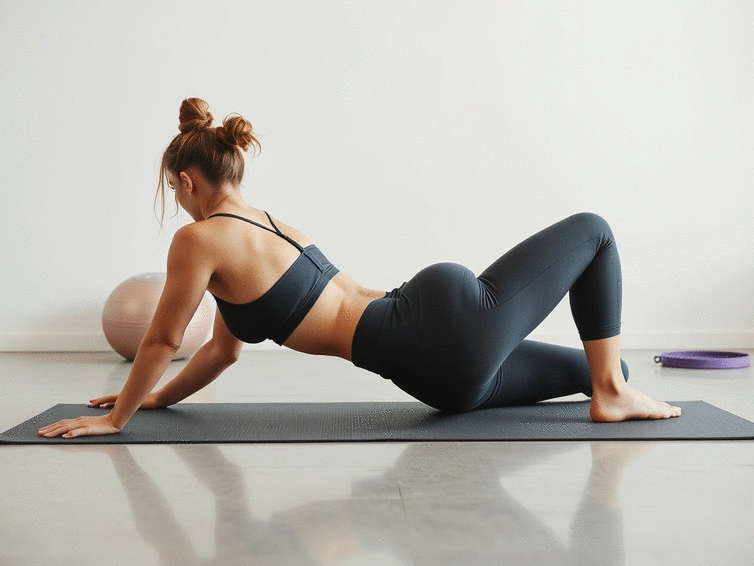
The journey to achieving the ideal glute shape isn't just about lifting weights; it's about understanding the muscles involved and how to activate them effectively. Here are some key insights that can truly enhance your workout regimen.
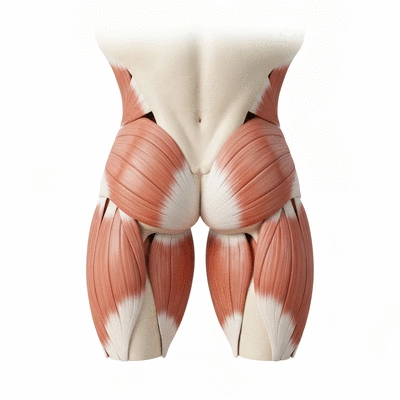
Understanding the distinct roles of your glute muscles is crucial for effective workouts and achieving a rounder shape. This comparison highlights each muscle's function and recommended exercises.
Are you curious about how understanding your glute anatomy can help you achieve that rounder glute shape? Knowing the different muscles involved in your glutes is essential for maximizing your workouts and enhancing your results. Let’s break down the key players in this journey!
Focusing on these muscles not only helps in shaping your glutes but also plays a significant role in your overall lower body strength. Remember, each muscle has its unique function, and understanding this can lead to more effective workouts! For an evidence-based approach to glute strengthening, consider exploring resources from reputable organizations like ACE Fitness.
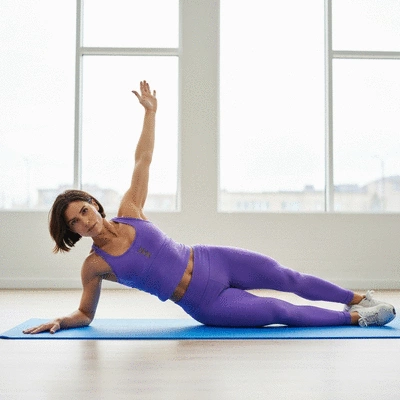
The glute medius is often the unsung hero in the quest for a rounder backside. This muscle is essential not only for aesthetics but also for athletic performance. When you engage your glute medius effectively, you can improve your stability and balance during various movements.
To really activate your glute medius, incorporating targeted exercises like side-lying hip abductions can help. When this muscle is strong, it lifts and shapes your glutes, giving you that desirable roundness! So, let's make it a focus in your training routine.
Understanding the distinctions between the gluteus maximus, medius, and minimus can significantly enhance your workout strategy. Here's a quick comparison:
| Muscle | Location | Function |
|---|---|---|
| Gluteus Maximus | Back of the hip | Hip extension, outward rotation, and stabilization |
| Gluteus Medius | Side of the hip | Hip stabilization and abduction |
| Gluteus Minimus | Below the medius | Hip abduction and internal rotation |
By knowing these differences, you can tailor your workouts to target each muscle effectively. Remember, a well-rounded approach to your glute training will yield the best results!
Ready to dive into one of my favorite exercises for targeting the glute medius? The side-lying hip abduction is a fantastic way to develop strength and shape in your glutes. Let’s explore how to perform it step-by-step!
This exercise not only targets your glute medius but also aids in improving hip stability. Dive in and give it a try; your glutes will thank you later! Research highlights the importance of gluteal muscle activation during various exercises, with studies often focusing on electromyography (EMG) to measure muscle activity, ensuring you get the most out of movements like the side-lying hip abduction.
While performing side-lying hip abductions, it’s crucial to focus on form to avoid injury and maximize effectiveness. Here are a few common mistakes to watch out for:
By avoiding these pitfalls, you’ll ensure that you’re truly working your glute medius and getting the most out of your workouts!
To maximize your glute training, consider incorporating resistance bands during exercises like side-lying hip abductions. Placing the band just above your knees can significantly enhance glute activation, helping you achieve that rounder shape more effectively!
A1: The main glute muscles are the Gluteus Maximus (largest, hip extension, outward rotation), Gluteus Medius (side, hip stabilization, rounded shape), and Gluteus Minimus (smallest, hip abduction, internal rotation).
A2: The glute medius is crucial for hip stabilization and, when strengthened, helps lift and shape the glutes, contributing to a more rounded appearance.
A3: Common mistakes include not engaging your core, allowing your hips to roll back, and using momentum instead of controlled movements.
A4: Combining exercise with a balanced diet (rich in protein and healthy fats) provides the necessary fuel and building blocks for muscle repair and growth, maximizing your glute training results.
A5: Tracking progress through a workout journal or fitness app helps you see improvements, keeps you motivated, and allows you to adjust your routine as needed.
As we wrap up this exploration into glute training, it's essential to remember that achieving a rounder glute shape is a combination of both targeted exercises and proper nutrition. Each workout you do contributes to building those strong, toned glutes that so many of us strive for. By focusing on the right techniques, like the side-lying hip abductions and lateral band walks we discussed, you're already setting yourself up for success!
Additionally, combining these exercises with a balanced diet rich in protein and healthy fats will support your muscle growth and overall fitness. Remember, it’s not just about lifting weights; it’s about fueling your body right as well. Let’s break down some key points to keep in mind!
By keeping these takeaways in mind, you’ll be well on your way to sculpting those gorgeous glutes while boosting your confidence along the journey!
To truly enhance your glute training results, it's crucial to pair your workouts with the right nutrition. Think of your body as a machine—it needs the right fuel to perform at its best! Here are some simple tips to effectively combine exercises and nutrition:
Integrating these nutritional habits with your glute workouts will amplify your results, helping you reach your fitness goals more effectively. Timely nutrition is also crucial, as evidenced by recent research on the effects of protein timing on muscle hypertrophy and strength.
Now that you’re armed with knowledge about effective glute exercises and the importance of nutrition, it’s time to implement these learnings into your workout routine! Start by choosing three to four exercises you enjoy—this will make it easier to stick with your program.
For example, you can create a weekly plan that includes:
Consistency is key! Make sure to gradually increase the intensity as your strength improves.
Tracking your progress is crucial in any fitness journey. I encourage you to keep a workout journal or use a fitness app to log your exercises, weights, and any personal notes. This not only helps you see how far you’ve come but also keeps you motivated!
Celebrate the small victories—whether it's lifting heavier, completing more reps, or simply feeling more energetic. Remember, every little bit counts, and you’re doing amazing things for your body!
If you’re looking for additional support, consider exploring online fitness coaching or resources. At Exercises for Butt, we offer personalized workout plans and expert tips designed to help you on your glute training journey. Don't hesitate to reach out to me, Jordan Wells, if you have any questions or need guidance!
Whether you’re just starting out or looking to take your training to the next level, having the right resources can make all the difference. So, let’s keep pushing towards those goals together!
Here is a quick recap of the important points discussed in the article:
Buying Guide for Glute Fitness Gear
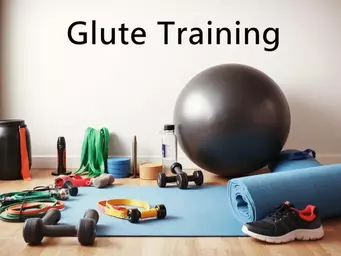
Have you ever wondered why the right fitness gear can transform your workout experience? The equipme
Understanding Glute Activation Science

Did you know that understanding how to activate your glutes can significantly enhance your overall f
Glute Training Frequency and Tips

Have you ever wondered what it takes to truly optimize your glute training? Consistency is key, but
Buying Guide for Glute Fitness Gear
Understanding Glute Activation Science
Glute Training Frequency and Tips
Fix Common Glute Training Mistakes
Selecting Glute Activation Exercises Wisely