
Emphasizing Technique & Form
- • Prioritize a neutral spine
- • Engage your core for stability
- • Focus on controlled movements
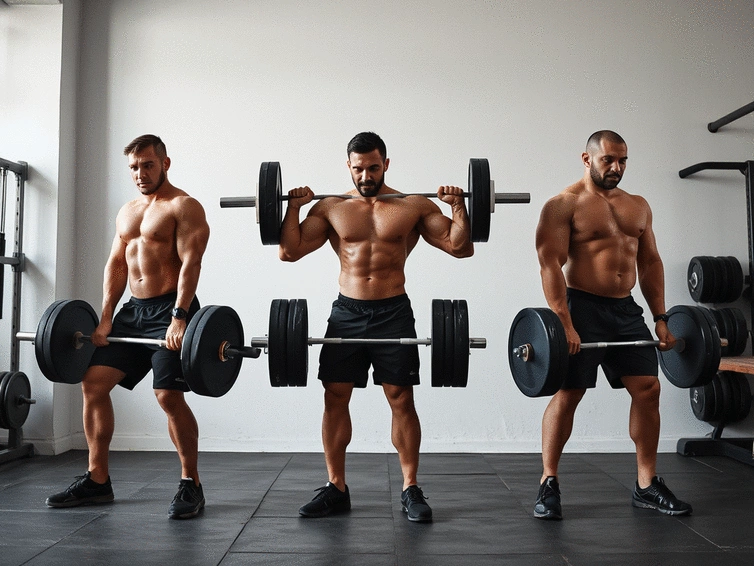
Consider this: strong glutes not only enhance your physique but also play a pivotal role in your overall strength and performance. Are you ready to unlock your fitness potential with glute-focused deadlifts?
This visual highlights the essential components for an effective glute-focused deadlift strategy, focusing on technique, individual needs, and consistent implementation.
When it comes to achieving your fitness goals, understanding the significance of glute-focused deadlifts can set you on the right path. These exercises not only sculpt and tone your backside but also play a crucial role in overall strength development. By engaging your glutes effectively, you can improve performance in various activities—from running to lifting weights—and enhance your body mechanics.
Many people overlook the importance of glute activation in their workouts. That's why here at Exercises for Butt, we emphasize the value of incorporating deadlifts into your routine. They’re a fantastic way to build strength and stability, which contributes to a more balanced physique.
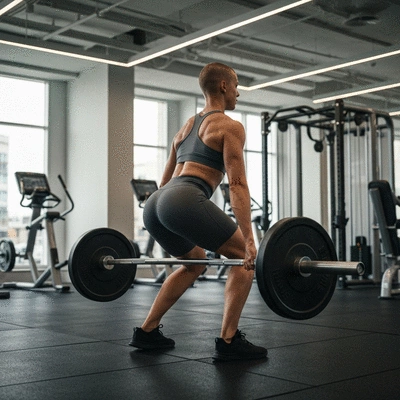
So, what exactly is glute activation? It refers to the process of engaging the glute muscles during a workout. This is crucial because well-activated glutes contribute to better posture, reduced risk of injury, and improved performance in other exercises. In fact, when your glutes are strong, they help to stabilize your pelvis and spine, which is vital for maintaining form during workouts. Research published in PMC7039033 and PMC7046193 highlights the importance of gluteal muscle activation for lower limb stability and injury prevention.
Incorporating deadlifts into your training regime can significantly boost glute activation. It's essential to focus on form and technique to maximize these benefits. After all, the goal is to not just look good but also to feel strong and confident!
There are so many misconceptions surrounding deadlifts that I often hear from my clients. One of the biggest myths is that deadlifts are only meant for those looking to lift heavy weights. In reality, deadlifts can be tailored to fit all fitness levels! Whether you're a newbie or a seasoned athlete, there’s a deadlift variation for you.
By breaking these myths, we can open the door to a wider audience eager to strengthen their glutes. Remember, the key is to start where you are and gradually build up your confidence and strength.
Resistance training, including deadlifts, is vital to glute development. It stimulates muscle growth and improves overall strength. Incorporating a range of resistance exercises into your routine helps target different parts of the glute muscles, ensuring balanced development. The benefits of resistance training for muscle growth and functional strength are well-documented, as seen in research such as that published in Frontiers in Physiology.
At Exercises for Butt, we believe in empowering you through knowledge and encouraging you to embrace resistance training. With the right approach, you can harness the full potential of your glutes and enhance your fitness journey.
To maximize your glute activation during deadlifts, consider incorporating resistance bands into your routine. Placing a band just above your knees can help ensure that your glutes are fully engaged throughout the movement. This small addition can significantly enhance your workout and lead to better results!
As we wrap up our discussion on glute-focused deadlifts, it's essential to highlight some key takeaways that will guide you on your fitness journey. Understanding the mechanics of these exercises can significantly enhance your results, leading to stronger and more toned glutes. Remember, good technique isn’t just about lifting; it’s about lifting safely and effectively.
First and foremost, the importance of technique and form cannot be overstated. Proper form ensures that you're targeting the right muscles while minimizing the risk of injury. Always prioritize quality over quantity to see real progress.
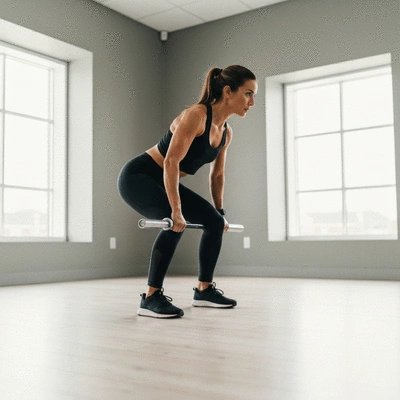
These points lead to optimal glute activation. When you're mindful of your form, you're not just going through the motions—you're truly engaging those muscles! This attention to detail will elevate your workout performance.
When it comes to selecting the best deadlift variation, it's vital to consider your individual fitness level and goals. Everyone is different, and what works for one person may not work for another. Here are a few factors to keep in mind:
By assessing these factors, you can choose a variation that suits your needs and maximizes your glute engagement. This personalized approach will make your workouts more enjoyable and effective!
Incorporating deadlifts into your fitness routine can provide numerous health benefits beyond just building stronger glutes. Here are a few great reasons to include them:
By embracing glute-focused deadlifts, you’re not just sculpting your physique; you’re also enhancing your overall health and fitness level!
Now that you have a solid understanding of the importance of glute-focused deadlifts, let’s talk about how to implement this knowledge into your training regimen. Consistency and proper planning are key components to seeing progress!
To truly reap the benefits, it’s essential to remain consistent with your workouts. Here are some tips to help you stay on track:
Tracking your progress can be incredibly motivating and will help you adjust your routine as needed. Remember, I’m here to support you in reaching your goals at Exercises for Butt!
As you continue your fitness journey, don’t hesitate to explore additional resources. There are many ways to enhance your glute workout knowledge, such as:
These resources can provide you with fresh ideas and keep your workouts exciting!
Consider seeking out online coaching or fitness apps that specialize in strength training. This personalized guidance can offer:
With the right tools and support, you’re sure to elevate your glute training experience. Let’s keep pushing forward together and make every rep count! Are you ready to lift those glutes with confidence? Let’s get started!
Here is a quick recap of the important points discussed in the article:
Buying Guide for Glute Fitness Gear
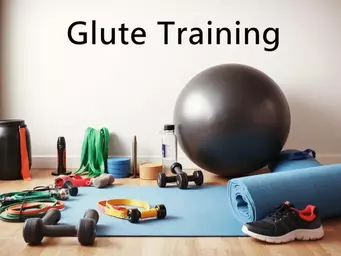
Have you ever wondered why the right fitness gear can transform your workout experience? The equipme
Understanding Glute Activation Science

Did you know that understanding how to activate your glutes can significantly enhance your overall f
Glute Training Frequency and Tips

Have you ever wondered what it takes to truly optimize your glute training? Consistency is key, but
Buying Guide for Glute Fitness Gear
Understanding Glute Activation Science
Glute Training Frequency and Tips
Fix Common Glute Training Mistakes
Selecting Glute Activation Exercises Wisely